Book your city rides in an app and most taxi problems in Vietnam disappear. Grab shows the full fare before you book, and the apps name the driver and the plate and keep a record of the trip. Use Grab as your default, Green SM if you want an electric car with a salaried driver, and a metered Mai Linh or Vinasun taxi when an app is not an option.
How we built this guide: on 3 October 2026 we read Grab Vietnam's published fare and fee table (last updated 8 July 2026) and its driver and safety notices, Green SM's and Be's own fare pages, Mai Linh's payment notice, Vietnam's national tourism board, and the UK, Australian, Canadian and US governments' current Vietnam advice. We did not ride these services for this guide. Prices are in Vietnamese dong (VND) with US dollar estimates at about 26,000 VND to US$1, between Vietcombank's published buying and selling rates for the dollar when we checked (25,760 and 26,170).
Grab, Green SM or Be: which app should I use?
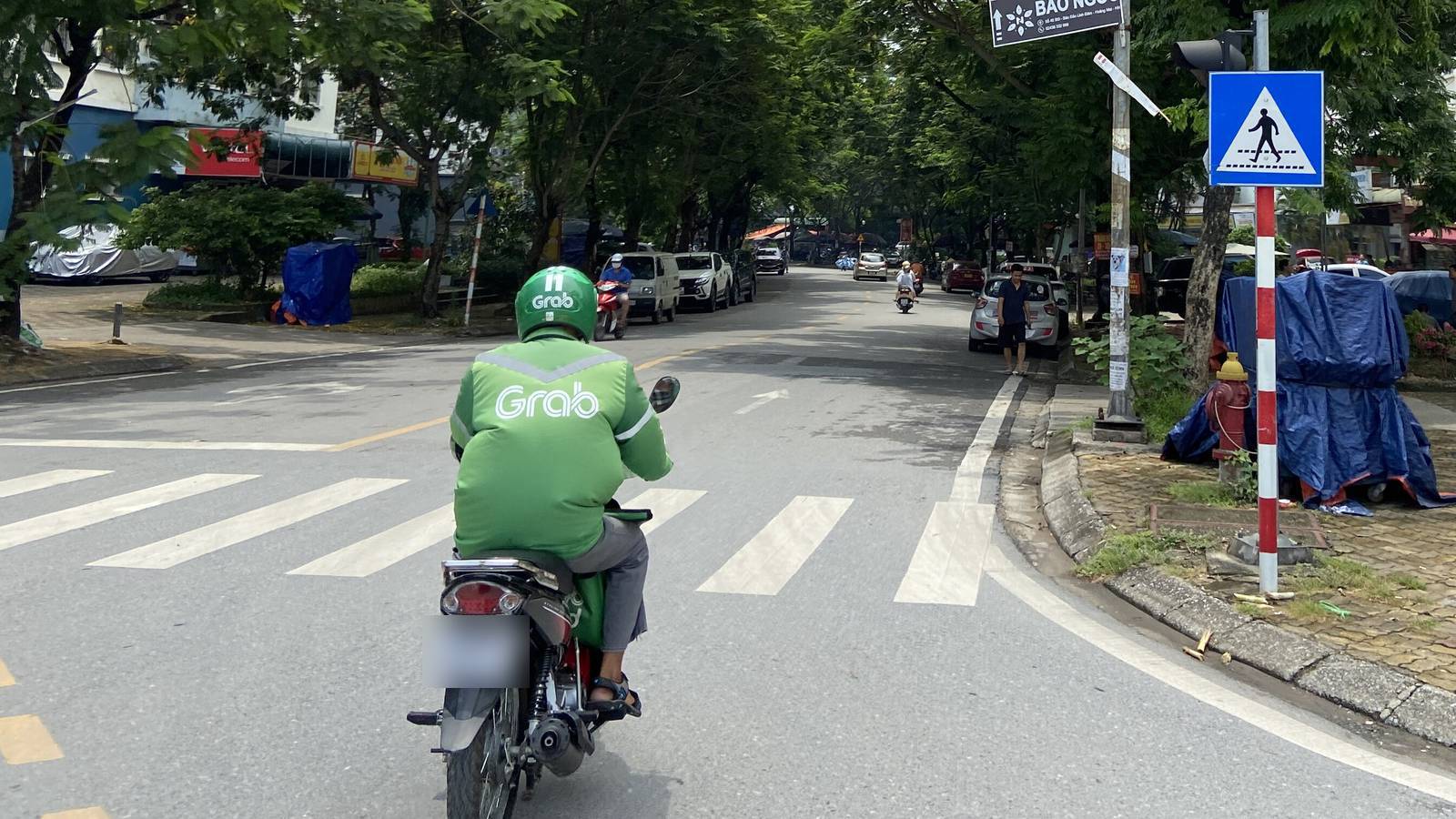
Grab is the default for most visitors, but Green SM and Be are worth installing as backups. The three differ in how they run as much as in price.
| App | What you can book | How it works | Note for visitors |
|---|---|---|---|
| Grab | GrabBike, GrabCar (4 or 6 seats), electric and premium cars, English-speaking tiers in Hanoi and Ho Chi Minh City | Independent driver partners | Card payments carry a 4% foreign card fee |
| Green SM | Electric cars (Car, Premium, Limo, Mini) and electric motorbikes | Its own VinFast fleet and salaried drivers | Also bookable on the 1555 hotline or flagged on the street |
| Be | beBike, beCar, beTaxi, airport and rental cars | App drivers, plus a traditional taxi option (beTaxi) | Publishes a night surcharge and a Tan Son Nhat pickup fee |
Sources: Grab's fare table, Green SM, Be.
Green SM is the new name of Xanh SM, which rebranded in April 2026, according to Bao Phap Luat, so search for either name in app stores. A March 2024 analysis by the ISEAS Yusof Ishak Institute described its model: an all-electric VinFast fleet and drivers employed on a monthly salary, while Grab drivers are contractors.
If language worries you, Grab began piloting an English-speaking GrabBike service in Hanoi and Ho Chi Minh City on 2 April 2026, per Grab Vietnam, and its July 2026 table lists English-speaking bike and car tiers in both cities. You need mobile data for any app, so sort that out first with our SIM card and eSIM guide.
Should I book a car or a motorbike?
Take a bike for short solo hops in daytime and a car for luggage, rain, night rides, airports and anything long. A bike costs roughly half as much: Grab's table starts a Hanoi GrabBike at 13,255 VND for the first 2 km against 28,473 VND for a four-seat GrabCar.
On a bike you are exposed to the traffic: the UK government says motorbike accidents are common and have killed and injured British nationals, and the helmet the driver hands you may be basic. Australia's Smartraveller discourages motorcycle taxis unless you wear a helmet that meets Australian standards, and the Government of Canada calls street motorbike taxis (xe om) unsafe. Wear the helmet and fasten the strap: under Decree 168/2024, a passenger without one can be fined 400,000 to 600,000 VND (about US$15 to US$23), and so can the driver carrying them, as Bao Phap Luat TP.HCM explained in November 2025.
How are fares and surcharges calculated?
Every app prices a ride from an opening fare that covers the first 2 km, a rate per kilometer after that and, at Grab, a charge per minute. Then come fees and surcharges, and the apps can raise prices when demand is high. The table shows the published base rates.
| Service and city | First 2 km (VND) | Each km after (VND) | Extras listed by the company |
|---|---|---|---|
| GrabBike, Hanoi | 13,255 (about $0.51) | 4,222 (about $0.16) | 344 VND a minute after 2 km; 3,000 VND platform fee |
| GrabBike, Ho Chi Minh City | 12,273 (about $0.47) | 4,222 (about $0.16) | As above |
| GrabCar 4 seats, Hanoi and Ho Chi Minh City | 28,473 (about $1.10) | 9,818 (about $0.38) | 442 VND a minute after 2 km; 5,000 to 19,000 VND platform fee |
| Green SM Car, Hanoi | 30,500 (about $1.17) | 14,700 to km 12, then lower | Rates fall to 13,800 and 11,900 VND a km on longer trips |
| beBike, Ho Chi Minh City | 13,817 (about $0.53) | 4,633 (about $0.18) | 10,000 VND late-night surcharge, 22:00 to 06:00 |
| beCar 4 seats, Ho Chi Minh City | 31,501 (about $1.21) | 11,805 to km 12, then 10,779 | 20,000 VND late-night surcharge; 15,000 VND Tan Son Nhat pickup fee |
Sources: Grab (fares include 8% VAT), Green SM, Be (Be's page says these prices apply from 1 July 2023).
What surcharges can appear?
Grab's own fee notice lists them. Time-related surcharges include a night surcharge and a charge if the driver waits more than 5 minutes. Adding a stop or changing the destination costs extra, there is a bad-weather surcharge, and booking a ride in advance adds a fee. Bridge and road tolls and airport or bus station entry fees are passed on as incurred. Grab also says its base fares can move with supply and demand by area and time of day, which is why a rainy rush hour costs more.
For a feel of the numbers, take a 5 km car ride and count only the distance charge, by our own arithmetic from the tables: about 57,900 VND (about $2.23) on GrabCar, 66,900 VND (about $2.57) on beCar in Ho Chi Minh City and 74,600 VND (about $2.87) on Green SM Car in Hanoi. Grab then adds its per-minute charge and platform fee, so the gap narrows. Treat these as a guide only, and compare the quotes each app shows you on the day.
Tip: The fare in the app is the fare. Grab's February 2026 notice to drivers says tolls and airport fees are outside the base fare but tells them never to charge passengers anything beyond it (Grab Vietnam). If a driver asks for more, pay the app amount and report it in the app.
Should I pay cash or card?
Cash is simplest for app rides, and cards work in more taxis than they used to. Grab accepts cards, but its fee notice says its payment partner Moca adds a 4% processing fee when you pay with a card issued abroad, so a foreign card costs you more than cash for the same trip (Grab). Green SM has run discounts for riders who pay by Visa card in its app (Green SM, April 2025), which shows card payment is built in there.
For street taxis, the tourism board says many taxi services now take Visa contactless payments (Vietnam Tourism), and Mai Linh has accepted Apple Pay through card terminals in its cabs in Hanoi, Ho Chi Minh City, Da Nang and six other provinces since 8 August 2023 (Mai Linh). Still, carry small notes so the driver does not need to make change from a 500,000 VND note. Our money guide covers ATMs and exchange rates.
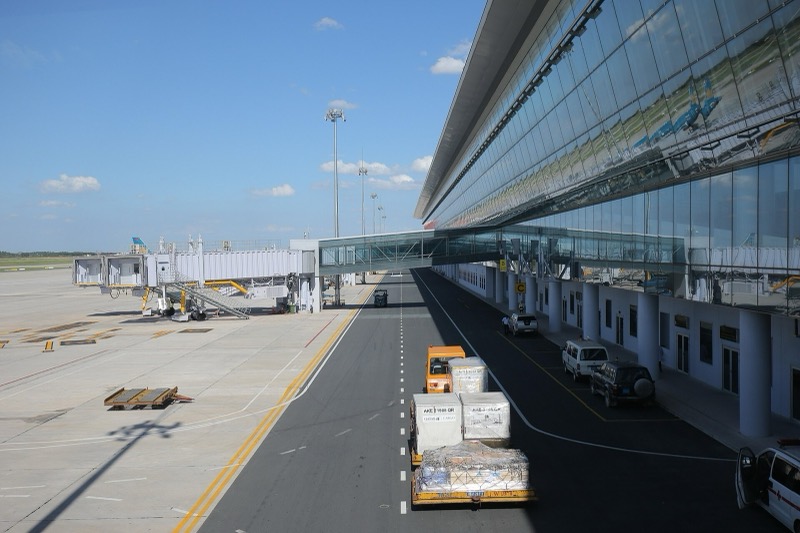
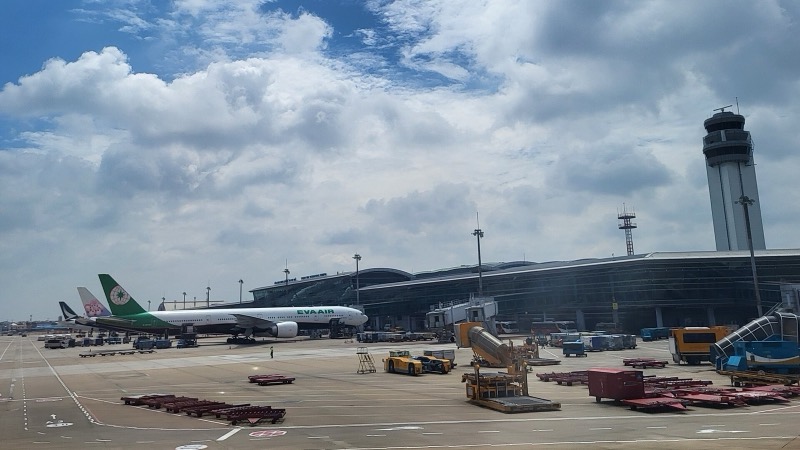
How do airport pickups work?
Use the app's pickup zone or the official taxi rank, never a driver who approaches you. Smartraveller advises airport taxis, prearranged hotel transfers, taxis from clearly marked official ranks with staff, or a car reserved through a rideshare app, and says to check that anyone holding a sign with your name knows where you are going. Canada reports robberies by criminals posing as taxi drivers at Noi Bai, and by drivers holding name placards (Government of Canada).
Grab's fare table lists a Hanoi airport GrabCar fare of 186,545 VND (about $7.17) covering the first 20 km, then 9,327 VND per km. For the 27 to 30 km into the Old Quarter, that works out at roughly 252,000 to 280,000 VND (about $10 to $11) by our arithmetic, in line with the average Grab quotes in our Noi Bai airport guide. In Ho Chi Minh City, Be adds a 15,000 VND pickup fee at Tan Son Nhat, and our Tan Son Nhat guide explains where each app picks up at the three terminals.
Which metered taxi companies are reliable?
Stick to the big names and make sure the meter runs. Vietnam's national tourism board names Mai Linh and Vinasun as two trusted companies with new vehicles and sealed meters, available at the international airports and in most towns (Vietnam Tourism). The UK government says metered taxis from larger firms are generally reliable and suggests asking hotels or restaurants to book one. The US State Department agrees that major companies tend to be reliable, but warns that some smaller "boutique" firms have rigged meters, particularly on routes to and from the international airports, and that areas outside big cities often have no metered taxis at all.
Mai Linh takes bookings on its nationwide 1055 hotline, and Green SM, which calls itself an electric taxi company as well as running an app, on 1555. Green SM's fare page notes you can also flag its cars down on the street.
What scams should I watch for, and how do apps help?
Most taxi scams rely on an unagreed price or a driver you cannot identify. The official sources describe these:
- Fake company drivers. The FCDO warns of scammers who claim to be from Grab or Green SM and tells travelers to book the full journey in the app.
- Name placards at airports. Canada and the US both report travelers robbed by drivers holding a sign with their name. Get the driver's name and plate in advance.
- Rigged meters and overcharging. The tourism board lists rigged meters, overcharging, confusing currency and fixed prices as the usual taxi tricks.
- Extra passengers. Smartraveller says to leave the taxi if the driver tries to pick up other passengers, and Canada says never to share a taxi with a stranger.
- The wrong destination. Canada suggests knowing your hotel's address and neighborhood so you are not taken somewhere else.
An app closes most of these gaps. Grab shows the fare before you book, and the apps show the driver and the plate, which the FCDO and Smartraveller both tell you to check before getting in. Grab added trip sharing, an SOS button linked to the 113 police hotline and alerts to saved emergency contacts between 2014 and 2018, according to its January 2019 safety release. Its AudioProtect feature records GrabCar trips when both rider and driver switch it on and keeps the encrypted audio for 5 days (Grab Vietnam, May 2023). Our safety guide covers scams beyond taxis.
Is it safe for women traveling alone?
Generally yes, with a few habits. The tourism board says crime against women is uncommon and suggests taking a taxi rather than walking alone late at night. The risks are real, though. The FCDO says British nationals have reported rape and sexual assault in tourist areas, often committed by or linked to unlicensed taxi drivers, and recommends pre-arranged transport or official apps such as Grab or Green SM. Canada lists taxis and public transport among the places where sexual assault and harassment occur, and the US advises avoiding travel alone at night.
What helps, drawn from that advice:
- Book the whole journey in the app, and check the plate, the car and the driver's face before you get in.
- Share the live trip with a friend from the app.
- Save your accommodation in a map app so you can follow the route.
- Choose a car over a bike after dark, and sit in the back.
- If anything feels wrong, end the trip somewhere busy and well lit, and report it in the app.
Key facts at a glance
- A Hanoi GrabCar starts at 28,473 VND for the first 2 km and a GrabBike at 13,255 VND, per Grab's table updated 8 July 2026 (Grab).
- Paying Grab with a card issued abroad adds a 4% processing fee (Grab).
- Be charges a late-night surcharge on trips that start or end between 22:00 and 06:00 (Be).
- Xanh SM renamed itself Green SM in April 2026 (Bao Phap Luat).
- The tourism board names Mai Linh and Vinasun as trusted metered taxi firms (Vietnam Tourism).
Limitations
App fares change with demand, weather and promotions, and the published tables are base rates, not quotes. Be's page dates its prices from July 2023, Green SM's fare page carries an older publication date and lists only distance rates, and Grab's English-speaking options were new in 2026, so check the app on the day. We did not ride these services, and Grab's safety features come from its own 2019 and 2023 announcements. For the main transfers, read our Noi Bai and Tan Son Nhat guides, and for longer journeys our getting around Vietnam overview.