Yes, Vietnam is a safe country to visit by world standards, and violent crime against foreigners is rare. What hurts travelers here is more ordinary: traffic, a bag or phone grabbed from a passing motorbike, an overcharging taxi, a spiked drink, or a storm that closes the road you planned to take. Each has a simple fix, and the fixes are below.
How we built this guide: we compared the current Vietnam advice from the US State Department, the UK Foreign Office, Australia's Smartraveller and the Government of Canada, all read on 2 October 2026, and checked the national weather service's site. Where governments disagree, we say so. We have not added anecdotes or claims of our own.
What do government travel advisories say about Vietnam?
Three of the four major English-speaking governments put Vietnam in their lowest risk band, and Canada sits one step higher because of petty crime. None of them advises against travel to any part of the country in the advice we read.
| Government | Overall advice | Last updated | Main concerns named |
|---|---|---|---|
| United States | Level 1: Exercise normal precautions | 23 June 2026 | Petty crime in tourist areas, landmines and unexploded ordnance |
| Australia | Exercise normal safety precautions | 24 September 2026 | Storm season, bag snatching, drink spiking, card and taxi scams |
| United Kingdom | No advice against travel (the UK does not use levels) | 21 September 2026 | Petty theft, sexual assault, methanol, road and boat safety, cyclones |
| Canada | Exercise a high degree of caution | 22 June 2026 | High rates of petty crime |
Sources: US State Department, Smartraveller, FCDO and Government of Canada. The US advisory summary says Vietnam is generally a safe destination and that petty crime is common in popular tourist places.
Is traffic the biggest danger in Vietnam?
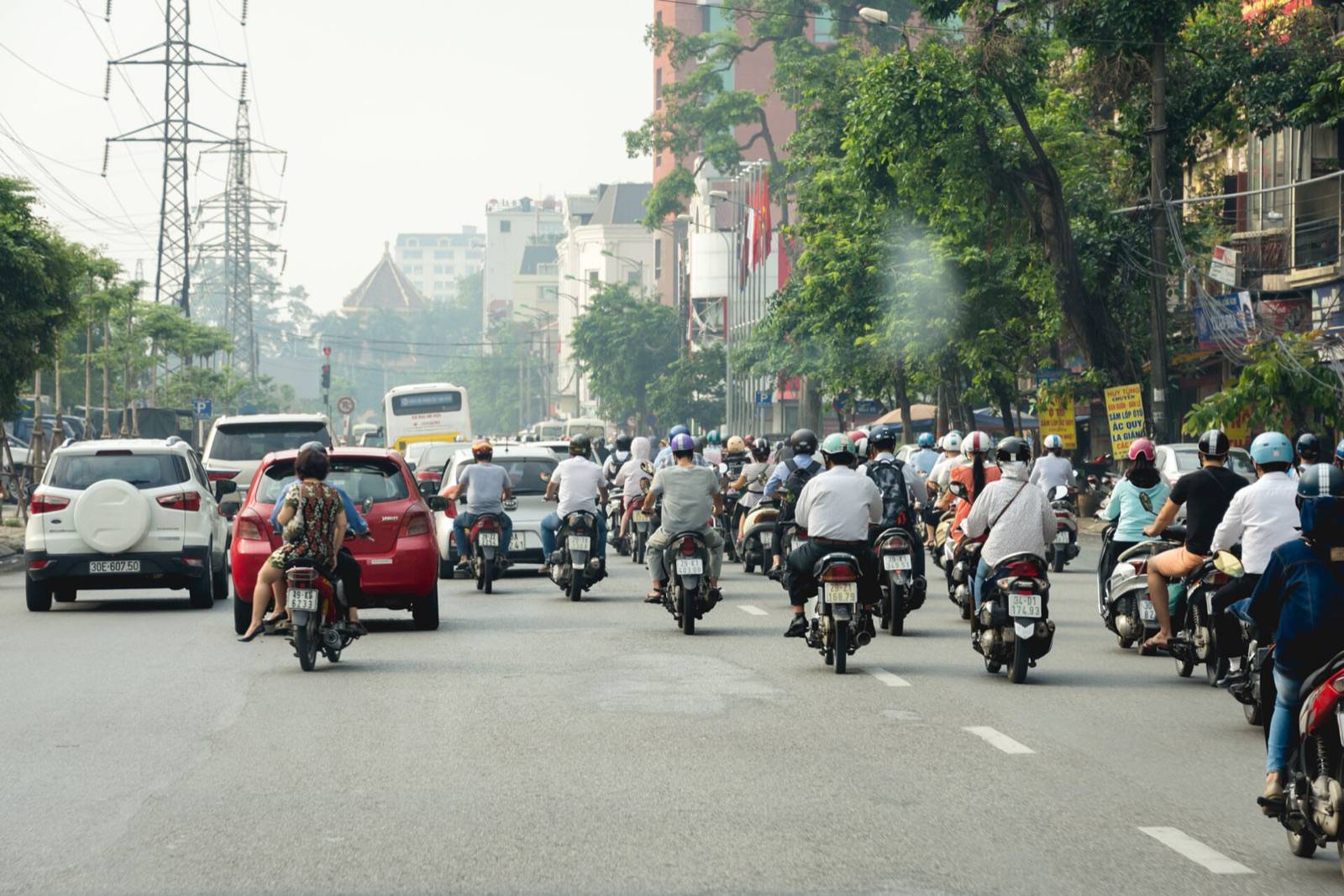
It is the risk to take most seriously. The UK government says motorbike accidents are common and have killed and injured British nationals and that compliance with road laws is poor, and Smartraveller warns that traffic can come from any direction when you cross the street. In the big cities most of that traffic is motorbikes.
When you cross, use lights and crossings where they exist, move at a steady, predictable pace, and keep looking both ways, including at motorbikes riding against the flow or on the sidewalk. At night, walk where streets are lit.
Long-distance road travel carries its own risk. The FCDO says bus and coach crashes are more likely at night, vehicles are often poorly maintained and tired night drivers keep going, and Smartraveller says inter-city buses have a high accident rate. Daytime services, trains or flights reduce that risk. Our bus companies comparison and guide to getting around Vietnam cover the options.
Should I rent a motorbike?
Only if you are an experienced rider with the right paperwork and insurance. The governments do not agree on which license works, so check the version that applies to you:
- UK: you need the 1968 international driving permit and your UK license, and riding without third-party insurance is illegal (FCDO).
- Australia: Australian licenses and Australian-issued international permits are not accepted, and you need a Vietnamese license for any motorbike of 50cc or more (Smartraveller).
- Canada: a valid Vietnamese license is required for vehicles of 50cc or more, and there is zero tolerance for drinking and riding (Government of Canada).
Helmets are compulsory for riders and passengers. Never leave your passport as a rental deposit, because shops can hold it against claimed damage (FCDO). After any accident, foreigners have been stopped from leaving Vietnam until police finish investigating, sometimes for a long time, and asked to pay settlements. Check that your travel insurance covers riding before you start the engine.
How common is bag and phone snatching?
Common enough that every government mentions it. The FCDO calls bag snatching by thieves on motorbikes common in crowded and tourist areas, and says petty crime rises around Christmas and Tet. Smartraveller adds bag slashing in crowds.
The fixes are physical, not clever:
- Carry your bag in front of you or on the side away from the road.
- Do not hold your phone out at the curb while waiting for a ride or taking photos.
- Watch for motorbikes slowing beside you as you walk.
- Carry the minimum of valuables and leave your passport locked away, with photo and digital copies on you.
- If someone grabs your bag, let it go. The FCDO and Smartraveller both say to surrender valuables rather than risk injury.
Theft also happens on buses and overnight trains while people sleep, so keep valuables in a small bag you sleep with.
How do I avoid taxi and motorbike-taxi overcharging?
Book rides in an app. The UK government recommends official ride-hailing apps such as Grab or Xanh SM (renamed Green SM in April 2026), which supply licensed cars, and warns against scammers claiming to be from those companies (FCDO). An app also fixes the price before you get in. Lonely Planet reports drivers in tourist areas refusing to use the meter and meters being rigged, and notes that app rides tend to be cheaper than taxis hailed in the street.
| Option | Main risk | What governments advise |
|---|---|---|
| App ride (car) | Driver or car not matching the booking | Check plate and driver before getting in (FCDO, Canada) |
| Metered taxi from a large firm | Meter not used or rigged | Generally reliable; insist on the meter or agree the fare (FCDO, Canada, Smartraveller) |
| Street-hailed car at an airport | Fake taxis; robberies reported at Noi Bai | Use official or pre-booked transport (Canada) |
| Street motorbike taxi (xe om) | Poor helmets, overcharging | Canada calls them unsafe; Smartraveller discourages them |
Also be wary of free hotel transfer offers at airports and stations that you did not arrange yourself, which the FCDO says may be scams.
Which other scams should I know about?
Most scams target your card, your drink or your passport. These are the ones the governments list:
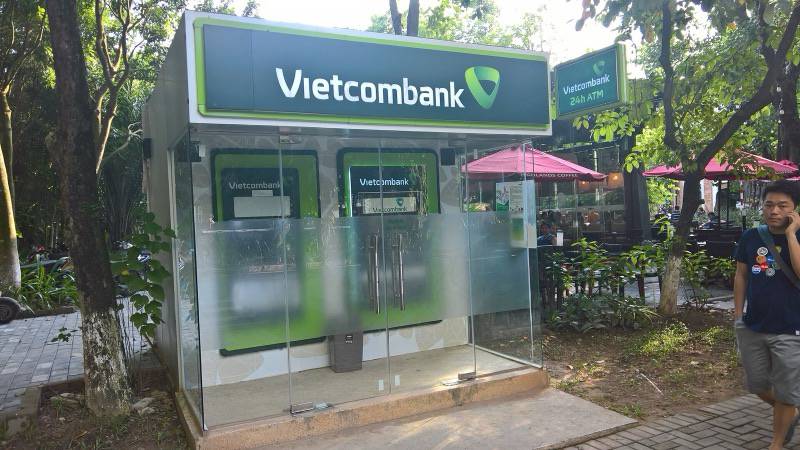
- Card skimming and ATM theft. Smartraveller says travelers have been robbed at ATMs and that skimming happens. Use machines inside banks, hotels or malls and keep your card in sight. See our money guide.
- Illegal money changing. Change cash only at official counters with clear signs; the FCDO says anything else is illegal and you risk losing the money.
- Gambling scams. Smartraveller asks visitors to report them to police.
- Drink spiking and methanol. Methanol in drinks has killed people, including drinks bought in licensed bars, shops and hotels, and it cannot be detected by taste or smell. Buy your own drinks, avoid street-vendor spirits, and seek urgent care if someone feels very unwell after drinking (FCDO).
- Job offers. The FCDO describes people lured to the Mekong region by fake high-paying jobs and trafficked into scam centers. Never hand your passport to an employer.
Is it safe to swim in the sea?
Swim with care. Canada warns that tides and strong winds can create hazardous currents and riptides and that beaches are not consistently supervised (Government of Canada). Ask locally about conditions, swim where others swim, and stay out of the water when flags or staff say so, especially in the storm months.
Boats are the other water risk. Smartraveller says vessels have sunk and people have died, including in Ha Long Bay, and the FCDO asks travelers to weigh safety standards before an overnight Ha Long cruise. Before you board, check that life jackets are on board and that you get a safety briefing. Our Ha Long Bay guide has more.
When do typhoons and floods hit?
Storm risk runs through the second half of the year, with timing that varies by region. The FCDO says tropical cyclones normally affect the east coast from May to November, the rain season runs from June to September in the north and south and from October to December in the center, and seasonal flooding hits central Vietnam in October and November. Smartraveller describes the storm season as June to November, and Canada gives June to December for typhoons.
Mudslides and landslides can block roads, and flooding can cut services, according to the FCDO. Follow forecasts from the National Center for Hydro-Meteorological Forecasting, keep your passport somewhere dry, build in a spare day, and follow evacuation orders. Our best time to visit guide shows the wet months region by region.
Which laws catch visitors out?
A few Vietnamese laws are much stricter than travelers expect. Drug penalties include long prison terms and the death penalty, and Smartraveller notes you can be charged for testing positive even if you took the drug before arriving. Vapes are banned, and you cannot bring them in. Do not photograph military sites or border areas, avoid protests, and carry photo ID; the FCDO says a printed copy of your passport photo page and visa is accepted. Landmines and unexploded ordnance remain in former battlefields, especially in central Vietnam and along the Laos border, according to the FCDO.
Key facts at a glance
- The US rates Vietnam Level 1, exercise normal precautions, in an advisory dated 23 June 2026 (US State Department).
- Australia says exercise normal safety precautions; its advice was updated on 24 September 2026 (Smartraveller).
- Canada advises a high degree of caution because of petty crime, updated 22 June 2026 (Government of Canada).
- Tropical cyclones normally hit the east coast from May to November, with central flooding in October and November (FCDO).
- Emergency numbers: 113 police, 114 fire, 115 ambulance (Government of Canada).
Limitations
Travel advisories change, sometimes overnight when a storm approaches, so read your own government's current page before you go and sign up for its alerts. The US advisory was read through the State Department's official open data feed because its web page would not load for us. Governments disagree on motorbike licenses, and we cannot tell you which rule a police officer will apply, so assume the strictest. Nothing here replaces local warnings from your hotel, boat operator or the authorities on the day.