Hanoi rewards a slow first visit more than a fast one. Base yourself near Hoan Kiem Lake, give the city two or three days, and spend your money on food and the trips beyond it, because the headline sights cost 100,000 VND or less to enter.
How we built this guide: we checked the official ticket pages of the Temple of Literature, the Imperial Citadel of Thang Long and Hoa Lo Prison, UNESCO's listing, published metro and bus fares, WMO climate normals and 2025 to 2026 news reports on 2 October 2026. Prices come from those pages on that date. We did not visit for this update.
How does Hanoi work for a first-time visitor?
Hanoi makes sense once you see it as a few walkable districts around one lake. Hoan Kiem Lake is the center of gravity. The Old Quarter's tight grid of trading streets spreads north of it, the wider, tree-lined French Quarter runs south and east, and the government and heritage area around Ba Dinh sits to the west, with the Imperial Citadel and, just south of it, the Temple of Literature. West Lake (Tay Ho), further north, is greener and more residential.
Three things shape a first day. Traffic is mostly motorbikes, so you cross streets at a steady walking pace and let riders flow around you. Sidewalks double as parking and kitchens, which means you will often walk in the road. And the city changes on weekends: from Friday to Sunday evening, streets around the lake close to traffic and become a pedestrian zone, which VTV reported runs from 7pm (6pm in winter) to midnight.
How many days should you spend in Hanoi?
Two full days is the right amount for most first-time visitors, plus a third if you need recovery time. Day one covers the lake, the Old Quarter and an evening of street food. Day two covers the Temple of Literature, the Imperial Citadel and Hoa Lo Prison. A third day lets you absorb jet lag, add a museum, or take a day trip to Ninh Binh.
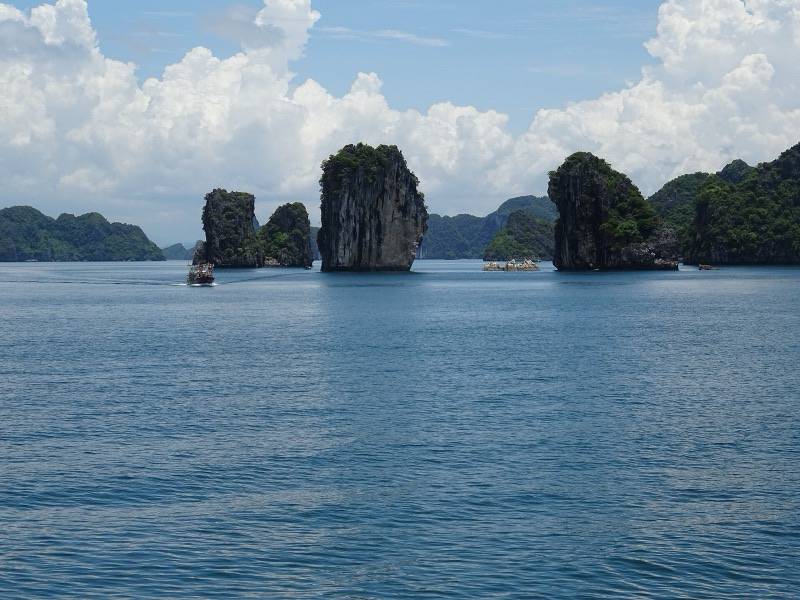
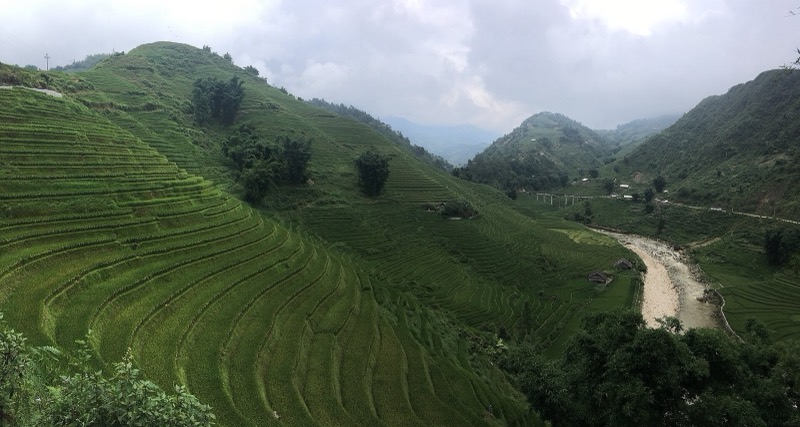
Hanoi also tends to become a hub you pass through more than once. Many travelers sleep here before and after Sapa or Ha Long Bay, so you can split your sightseeing across those nights rather than cramming it into one block.
Where should you stay in Hanoi?
Stay in the Old Quarter if you value walking access, and in the French Quarter if you value sleep. The table compares the main options for a short stay.
| Area | Best for | Trade-offs |
|---|---|---|
| Old Quarter | First visits, street food, tour pickups, walking to the lake | Noisy, crowded, small rooms in narrow buildings |
| French Quarter (south of Hoan Kiem Lake) | Quieter nights, larger hotels, still walkable to the lake | Fewer street-food stalls on the doorstep, more upscale hotels |
| Ba Dinh and the Temple of Literature area | Heritage sights, calmer streets, families | Longer walk or ride to the Old Quarter at night |
| West Lake (Tay Ho) | Longer stays, cafes, lakeside running and cycling | A ride away from most sights, fewer budget options |
Traveler-reported averages on Budget Your Trip put Hanoi hotel rooms at about $28 (730,000 VND) in the off-season and about $52 (1,350,000 VND) in the winter peak, with a wide range from about $16 to $106. Treat those as a rough guide and compare live prices for your dates.
What is worth your time in Hanoi?
Hanoi is at its best when you treat it as a living city with a few great monuments, not a list to tick off. These are the places that repay the effort.
Hoan Kiem Lake and the weekend walking streets
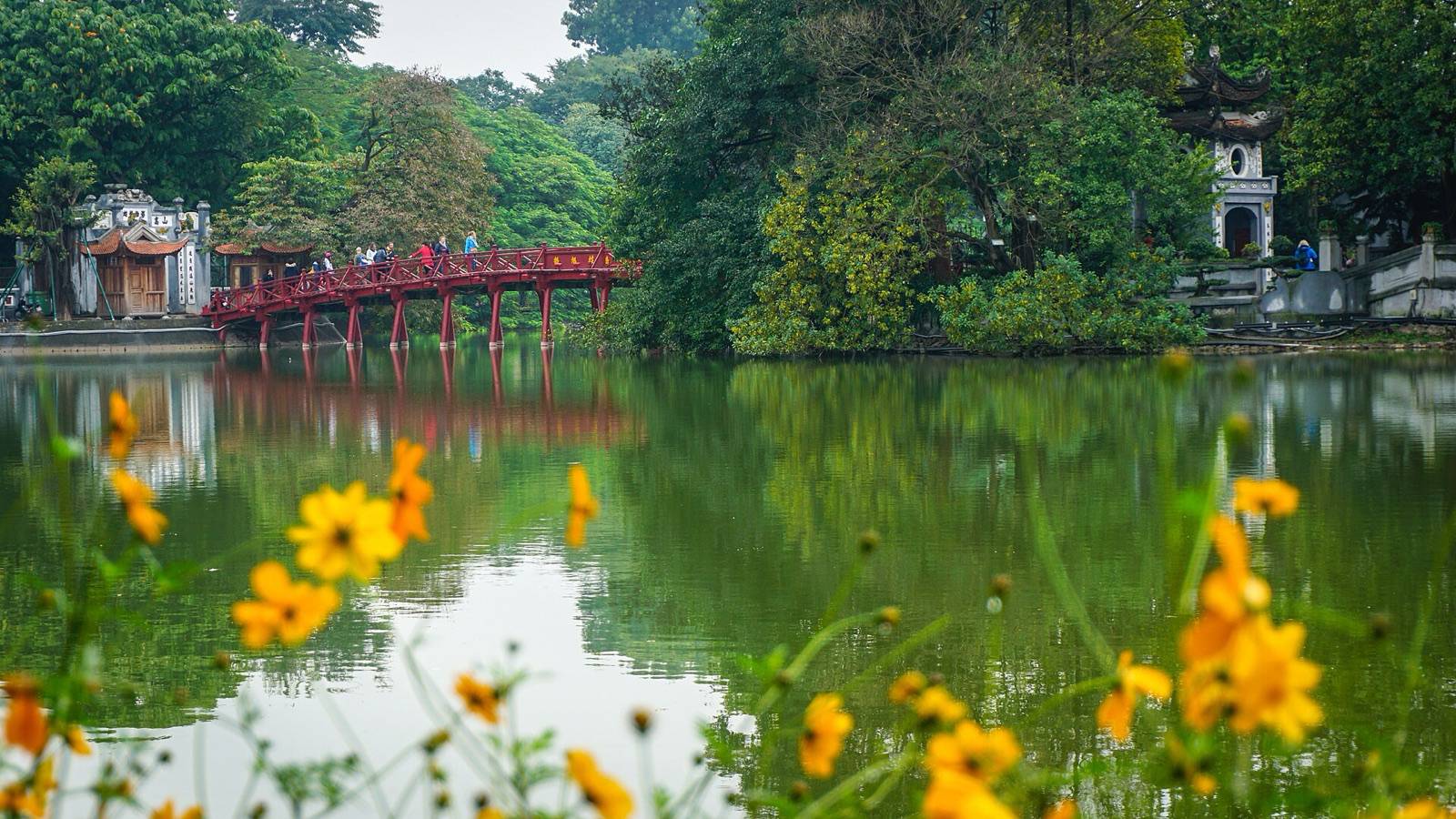
Start at the lake early, when locals exercise along the shore, and cross the red The Huc Bridge to Ngoc Son Temple. Come back on a Friday, Saturday or Sunday evening, when the pedestrian zone extends into eight Old Quarter streets, including Hang Dau, Cau Go, Hang Be and Hang Bac. It is the easiest way to see the Old Quarter without dodging motorbikes.
The Temple of Literature
The Temple of Literature is the single best sight in Hanoi for understanding the city's scholarly past, and it is cheap. Its official site lists adult entry at 70,000 VND (about $2.70), half price for students with a Vietnamese school ID and Vietnamese seniors, and free entry for children under 16. It opens from 8am to 5pm every day, with a separate night program on Wednesday, Saturday and Sunday evenings. Go at opening time to see the courtyards before tour groups arrive.
The Imperial Citadel of Thang Long
The citadel feels emptier than the temple, but it spans far more history. UNESCO inscribed its central sector in 2010 and notes it was built in the 11th century by the Ly dynasty and served as a center of political power for almost 13 centuries. Since 1 January 2025 entry has been 100,000 VND (about $3.85) per person, and it opens from 8am to 5pm daily. Pair it with the Temple of Literature on the same morning, since the two are close together.
Hoa Lo Prison
Hoa Lo tells the story of colonial-era political prisoners and, later, captured American pilots. It is a sobering hour rather than a fun one, and it sits close to the French Quarter. The relic's website lists opening hours of 8am to 5pm every day, including holidays. We could not find a current admission price on the official site, so check at the gate.
Train Street, with eyes open
The narrow trackside cafe stretch near Phung Hung and Tran Phu streets is a hugely popular photo stop, and also officially off-limits for sightseeing. Tuoi Tre News reported that police removed cafe furniture in November 2025 and that tables were back two days later. In February 2026, Vietcetera reported, authorities agreed to reduce passenger trains and suspend freight on that section. Our view: it is not worth the risk or the fine print. If you go anyway, sit well back from the rails and leave if staff or police ask.
How do you get to Hanoi and onward?
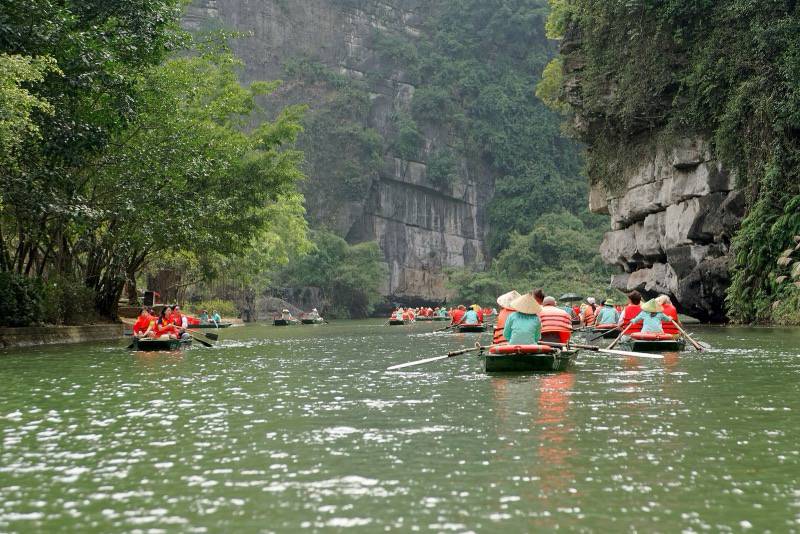
Most international visitors arrive at Noi Bai airport, north of the city, and leave Hanoi by road or rail for the rest of the north. The cheapest airport link is public bus 86, which the operator lists at 50,000 VND (about $1.90), running from 05:15 to 22:10 about every 45 minutes between the airport, the Hoan Kiem Lake area and Hanoi Railway Station. Taxis and ride-hailing cars are faster for groups or late arrivals.
For onward travel, match the mode to the distance:
| Destination | Practical option | Typical time | Route page |
|---|---|---|---|
| Ninh Binh | Limousine van or train | About 2 hours by van, 2 to 2.5 hours by train (Bhaya Cruises) | Hanoi to Ninh Binh |
| Ha Long Bay | Shuttle bus or cruise transfer | Under 3 hours by expressway; even Van Don, east of Ha Long, is 2.5 to 3 hours (Sun Paradise Land) | Hanoi to Ha Long Bay |
| Sapa | Limousine bus, or night train to Lao Cai | 5.5 to 6 hours by limousine; about 8 hours by train plus 45 to 60 minutes by road (Sun Paradise Land) | Hanoi to Sapa |
| Hue | Overnight train, sleeper bus or flight | See route page | Hanoi to Hue |
| Ho Chi Minh City | Flight or multi-day rail trip | See route page | Hanoi to Ho Chi Minh City |
Our Starting from Hanoi hub compares all of these side by side.
How do you get around Hanoi?
Walk the center and use ride-hailing apps or metered taxis for anything further. Inside the Old Quarter and around the lake, walking is faster than any vehicle. For Ba Dinh or West Lake, a ride-hailing motorbike or car is cheap and saves negotiating.
Hanoi's metro is useful only if your route matches it. Since 1 August 2025, single cash fares have run from 9,000 VND to 19,000 VND (about $0.35 to $0.75), according to Bao Van Hoa, and a day pass costs 40,000 VND, according to The Saigon Times. Line 2A runs from Cat Linh to Ha Dong in the southwest, and Line 3 currently runs from Nhon to Cau Giay in the west. Neither reaches the Old Quarter yet. For the wider picture, see getting around Vietnam.
What safety issues are specific to Hanoi?
The risks most likely to affect a Hanoi visit are traffic, air quality and a few tourist hotspots. Our Vietnam safety page covers the basics.
- Traffic: cross slowly and predictably, and watch for motorbikes riding against traffic or on sidewalks.
- Air quality: winter smog is a real health issue. IQAir recorded an AQI of 208, "very unhealthy", on 2 December 2025 and put Hanoi's 2024 average PM2.5 at 45 micrograms per cubic meter, about eight times the WHO annual guideline. If you have asthma or heart or lung disease, check readings daily and pack well-fitting masks.
- Train Street: as above, sightseeing there is banned and trains still run.
- Heat: in June and July, average highs are near 34 degrees Celsius, per WMO normals, so plan outdoor sights for early morning.
Tip: Agree on prices before cyclo rides or street-side shoe repairs, and pay for taxis through an app or meter. A clear price up front avoids most disputes.
How much does Hanoi cost?
Sightseeing in Hanoi is cheap, so your daily spend depends mostly on where you sleep and how you eat. We converted prices at about 26,000 VND to US$1, between Vietcombank's published USD buying and selling rates (25,760 and 26,170) on 2 October 2026.
| Item | Price in VND | About in USD | Where we saw it |
|---|---|---|---|
| Temple of Literature, adult | 70,000 | $2.70 | Official site, Oct 2026 |
| Imperial Citadel of Thang Long | 100,000 | $3.85 | Official site, from Jan 2025 |
| Metro single ride, cash | 9,000 to 19,000 | $0.35 to $0.75 | Bao Van Hoa, from Aug 2025 |
| Metro day pass | 40,000 | $1.55 | The Saigon Times, from Aug 2025 |
| Airport bus 86 | 50,000 | $1.90 | Bus operator, Oct 2026 |
| Budget day, per person | about 550,000 | about $21 | Budget Your Trip, traveler-reported |
| Mid-range day, per person | about 1,500,000 | about $57 | Budget Your Trip, traveler-reported |
The same Budget Your Trip data puts average spending on meals at about $23 (600,000 VND) per person per day, which is generous if you eat mostly street food. For cash, cards and ATMs, see money in Vietnam.
What food is worth seeking out in Hanoi?
Eat the dishes Hanoi does as its own, ideally where locals queue. Pho here is usually a clear beef broth with flat rice noodles and fresh herbs on the side, and breakfast is the time to have it. Bun cha, grilled pork patties and pork belly in a sweet and sour dipping broth with rice vermicelli, is the classic lunch. Cha ca is turmeric-marinated fish fried at the table with dill and spring onions. Banh cuon, steamed rice rolls filled with pork and wood ear mushroom, is a lighter morning option.
For something sweet, try egg coffee, a rich whipped yolk topping over strong coffee, in one of the Old Quarter's upstairs cafes. A simple rule helps with street food: pick stalls that cook to order and turn over quickly, and carry small notes.
When is the best time to visit Hanoi?
October and November are the best months for most visitors, with March and April a close second. WMO climate normals for Hanoi show the pattern clearly.
| Months | Average low to high | Rainfall | What it means |
|---|---|---|---|
| December to February | About 15 to 22 degrees Celsius | 19 to 28 mm a month | Cool and gray, pack a jacket; smog season |
| March to April | About 19 to 28 degrees Celsius | 55 to 79 mm a month | Mild and humid, often misty |
| May to September | About 25 to 34 degrees Celsius | 188 to 335 mm a month, peaking in August | Hot, sticky, heavy showers |
| October to November | About 19 to 30 degrees Celsius | 126 mm in October, 48 mm in November | Warm, drier, the most comfortable stretch |
Around Tet, the Lunar New Year in late January or February, many family-run shops and restaurants close for a few days and transport books up early. Our best time to visit Vietnam page compares the north with the rest of the country.
Key facts at a glance
- Temple of Literature: 70,000 VND for adults, open 8am to 5pm daily (official site).
- Imperial Citadel of Thang Long: 100,000 VND since 1 January 2025 (official site), UNESCO World Heritage since 2010 (UNESCO).
- Metro fares: 9,000 to 19,000 VND per cash ride since 1 August 2025 (Bao Van Hoa), with a 40,000 VND day pass (The Saigon Times).
- Weather: August is the wettest month at about 335 mm of rain on average (WMO).
- Air quality: AQI 208, "very unhealthy", on 2 December 2025 (IQAir).
Limitations
Prices in this guide were correct on the official pages on 2 October 2026, but Hanoi sets fees by city resolution and can change them at short notice. The airport bus fare and timetable come from a July 2025 secondary guide, not the operator, so confirm them on arrival. Budget Your Trip figures are averages reported by past travelers, not quotes. Train Street rules and train frequencies were changing in 2026. Opening hours shift around Tet and national holidays, and some sights close for ceremonies. Before you book, check the official site for any sight you plan around, check the air quality forecast if you travel in winter, and confirm onward transport on the relevant route page.